Sushi for Beginners: Rolls, Nigiri and Sashimi Explained
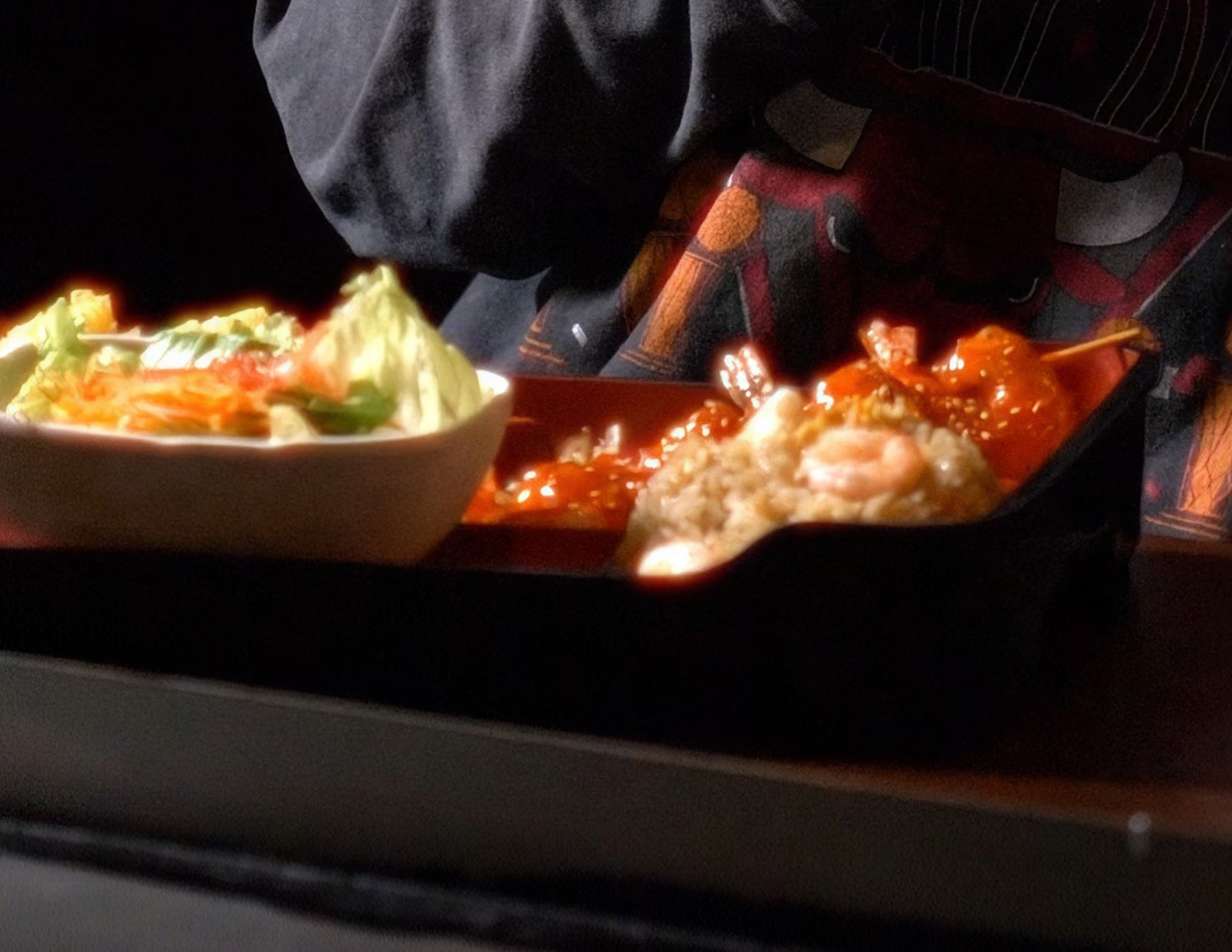
Trying Sushi for the first time should be fun, not a test. You do not need to know the Japanese name of every fish, use chopsticks perfectly, or start with raw seafood. A first sushi meal is simply a chance to learn what textures and flavors you enjoy.
The easiest way to start is to understand three common styles: rolls, nigiri, and sashimi. Once those make sense, the menu becomes much easier to read. If you are planning a first visit to Masu Sushi & Hibachi in Carrollton, you can also look through the current menu before you arrive.
First, what does sushi actually mean?
People often use the word Sushi to mean raw fish, but sushi is really built around seasoned rice. Raw seafood can be part of the dish, but it is not required. Rolls may contain cooked seafood, vegetables, avocado, or other ingredients, while nigiri pairs rice with a topping. Sashimi, on the other hand, is sliced seafood served without sushi rice.
That distinction is useful for beginners because it means you can enjoy a sushi restaurant without immediately ordering raw fish. You can start with familiar ingredients and work outward from there.
Rolls are usually the easiest entry point
A sushi roll combines several ingredients, which softens the jump into unfamiliar flavors. The rice and seaweed create the base, while ingredients such as crab, tuna, salmon, cucumber, avocado, vegetables, spice, or sauce determine the personality of the roll.
For a first order, choose one straightforward roll and one that is slightly outside your comfort zone. A familiar California-style roll can sit next to a spicy tuna or rainbow-style roll, for example. That gives you a useful comparison without filling the table with too much food.
Cooked and vegetable rolls count too
There is no rule that says your first sushi dinner must include raw fish. Vegetable rolls can help you get used to the rice, seaweed, and dipping condiments, while cooked fillings offer a middle ground for guests who like seafood but do not want it raw. Masu's group catering menu, for example, includes both classic fish-based selections and a Roll Garden Tray built around avocado, cucumber, vegetables, mango, and greens.
Nigiri puts more focus on the main ingredient
Nigiri is typically a small hand-formed portion of sushi rice with a topping placed over it. Because there are fewer ingredients competing for attention, you notice the topping more clearly than you would in a heavily dressed roll.
If you have tried a salmon or tuna roll and liked the fish itself, nigiri can be a natural next step. Order one or two pieces rather than a full assortment when you are experimenting. That keeps the meal low-pressure and gives you room to try something else if the texture is not for you.
Sashimi is the most direct seafood experience
Sashimi is sliced seafood served without rice. The simplicity is the point. Texture, temperature, and the flavor of the fish are front and center.
For that reason, sashimi is usually easier to appreciate after you already know that you enjoy raw seafood. Beginners who are curious can share a small selection with the table instead of making it the center of the meal.
What are soy sauce, wasabi and pickled ginger for?
Soy sauce adds salt and savoriness, but you do not need to soak every piece. Wasabi provides sharp heat, so start small if you are unsure about your tolerance. Pickled ginger is commonly eaten between different pieces to refresh the palate rather than piled on top of everything.
The main rule is simple: taste the food first. Condiments should help you enjoy the bite, not cover it up.
A beginner-friendly first order
If two people are trying Sushi together, a practical first order might include one familiar roll, one slightly bolder roll, a small nigiri selection, and one cooked appetizer. If one person likes the raw items more than the other, the table can adjust from there.
At Masu, the hibachi side of the restaurant gives mixed groups another option. One guest can explore sushi while another chooses a fully cooked hibachi meal. That is useful for families, dates, or friend groups where everyone has a different comfort level.
Do you have to use chopsticks?
No. Chopsticks are useful, but they are not a requirement for enjoying the meal. Some sushi can also be eaten by hand. If chopsticks make you focus more on coordination than food, use the approach that lets you eat comfortably and neatly.
How to order without feeling overwhelmed
- Start with ingredients you already like.
- Order a small variety instead of a large amount of one unfamiliar item.
- Tell your server if you prefer cooked seafood or want to avoid raw items.
- Ask about spice levels if you are sensitive to heat.
- Share with the table so you can try more than one style.
- Check current menu details before your visit if you have dietary questions.
Try sushi at your own pace
There is no correct progression from beginner to sushi expert. You may discover that you love simple nigiri, loaded specialty rolls, vegetarian combinations, or a mix of Sushi and hibachi. The point is to find what makes you want another bite.
If you are looking for Sushi in Carrollton TX, browse Masu's menu and choose a few options that sound approachable. When you are ready to dine in, reserve a table so you can focus on the food rather than the logistics.