Planning Sushi for a Group? How to Choose the Right Sushi Trays
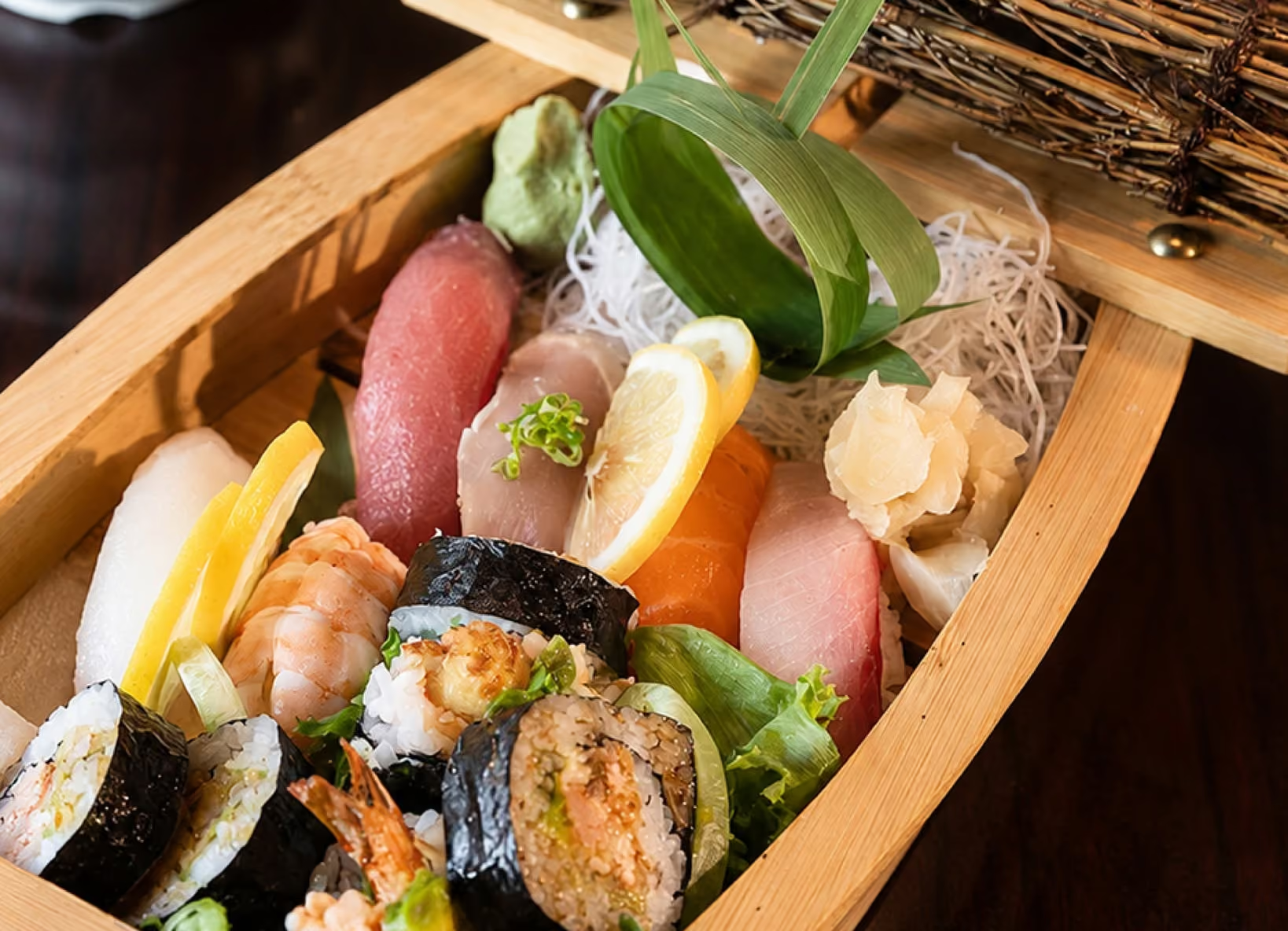
Ordering Sushi for yourself is easy because you only need to know what you like. Ordering for a group is different. You are balancing headcount, appetites, raw versus cooked preferences, spice levels, vegetarian needs, and the simple fact that some people will reach for the familiar rolls first.
A good group order is not about finding one tray that everyone agrees is their favorite. It is about creating enough variety that everyone can build a plate they enjoy. Masu Sushi & Hibachi offers group sushi trays through its catering menu, which gives you a useful starting point for office lunches, family gatherings, and a Special Event in Carrollton.
Start with the guest list, not the menu
Before choosing a single roll, write down the number of guests and what you already know about them. Is the group made up of experienced sushi eaters, or are several people trying it for the first time? Are there vegetarians? Does anyone avoid raw seafood? Is the sushi the full meal, or will you also serve appetizers, hibachi proteins, fried rice, or noodles?
Those questions affect how much variety you need. A sushi-heavy dinner for six experienced diners looks very different from an office lunch where sushi is one part of a larger spread.
Build the order around four useful categories
1. Familiar rolls
Start with recognizable options. California-style rolls are often useful because the flavors and textures are approachable, especially for guests who do not order sushi regularly. Familiar choices give the table a safe place to start.
2. Spicy or bold rolls
Add a smaller portion of spicy or sauce-forward rolls for guests who want more heat and intensity. Masu's catering menu includes spicy tuna-based selections and a 'Feel The Heat' tray built around several spicier specialty rolls.
3. Fish-forward choices
For experienced sushi diners, include options that put more emphasis on fish. Masu lists salmon, tuna, yellowtail, and Oceanside party trays that combine rolls with nigiri and sashimi-style selections. These can add range to a table that would otherwise be all rolls.
4. Vegetable options
Do not treat the vegetarian tray as an afterthought. A vegetable-forward option can serve vegetarians, guests avoiding raw seafood, and anyone who wants a lighter bite between richer pieces. Masu's Roll Garden Tray includes avocado, cucumber, vegetables, mango, and greens.
Use tray serving sizes as a planning tool, not a guarantee
Masu currently lists many roll trays as serving four, several fish-focused party trays as serving six, and the Oceanside Party Tray as serving ten. Those numbers are useful for planning, but appetite varies. A tray that works as part of a mixed buffet may not be enough as the only food for the same number of hungry adults.
Think in terms of the full menu. If you are adding appetizers, hibachi protein, rice, noodles, and dessert, the sushi does not need to carry the entire meal. If Sushi is the main attraction, allow more variety and a little buffer.
Plan for raw, cooked and vegetarian preferences
The easiest group orders are the ones that do not require guests to ask what they are allowed to eat. Keep different types visually separated when possible, and tell the group what each tray contains. For a workplace or larger gathering, simple labels can prevent confusion and make the food table move faster.
If someone has an allergy or a medical dietary requirement, contact the restaurant directly rather than assuming a roll is safe based only on its name. Cross-contact can matter in restaurant kitchens, especially with seafood, soy, sesame, egg, and gluten-containing ingredients.
Sushi can be part of a larger Japanese catering spread
One advantage of ordering from a restaurant that serves both sushi and hibachi is that you do not have to make sushi carry the whole event. Masu's catering selection also includes hibachi protein trays, fried rice, yakisoba, vegetables, appetizers, drinks, and desserts.
For a company lunch or family Special Event, that means you can create a buffet with sushi for variety and hibachi dishes for guests who prefer a hot cooked meal. See Masu's catering menu for current tray options and serving guidance.
A simple example for a mixed group
Imagine a group where some guests love raw seafood, several prefer familiar rolls, and a few want fully cooked food. Instead of buying only one large fish-focused tray, you could combine a classic roll tray, a more adventurous fish selection, a vegetable tray, and one or two hibachi sides. The exact quantities depend on headcount and whether the food is lunch, dinner, or light refreshments.
That approach gives people choices without requiring a huge number of individual orders. It also makes the table feel more intentional.
Group sushi ordering checklist
- Confirm the final headcount before ordering.
- Ask about raw seafood, vegetarian, allergy, and spice preferences.
- Choose at least one familiar tray and one contrasting tray.
- Add a vegetable option for flexibility.
- Decide whether sushi is the full meal or part of a larger spread.
- Use the restaurant's stated serving sizes as a planning baseline.
- Order early enough to confirm availability and pickup details.
Plan the food around the people
The most successful group orders are rarely the most complicated. They simply give everyone a few clear choices. If you are planning Sushi for an office lunch, birthday, or other Special Event in Carrollton, start with your guest list and build the tray mix from there.
Review Masu's catering options for current selections. If you would rather bring the group into the restaurant, reserve a table and let the table order together.