Sushi and Hibachi Catering for Office Parties: What Should You Order?
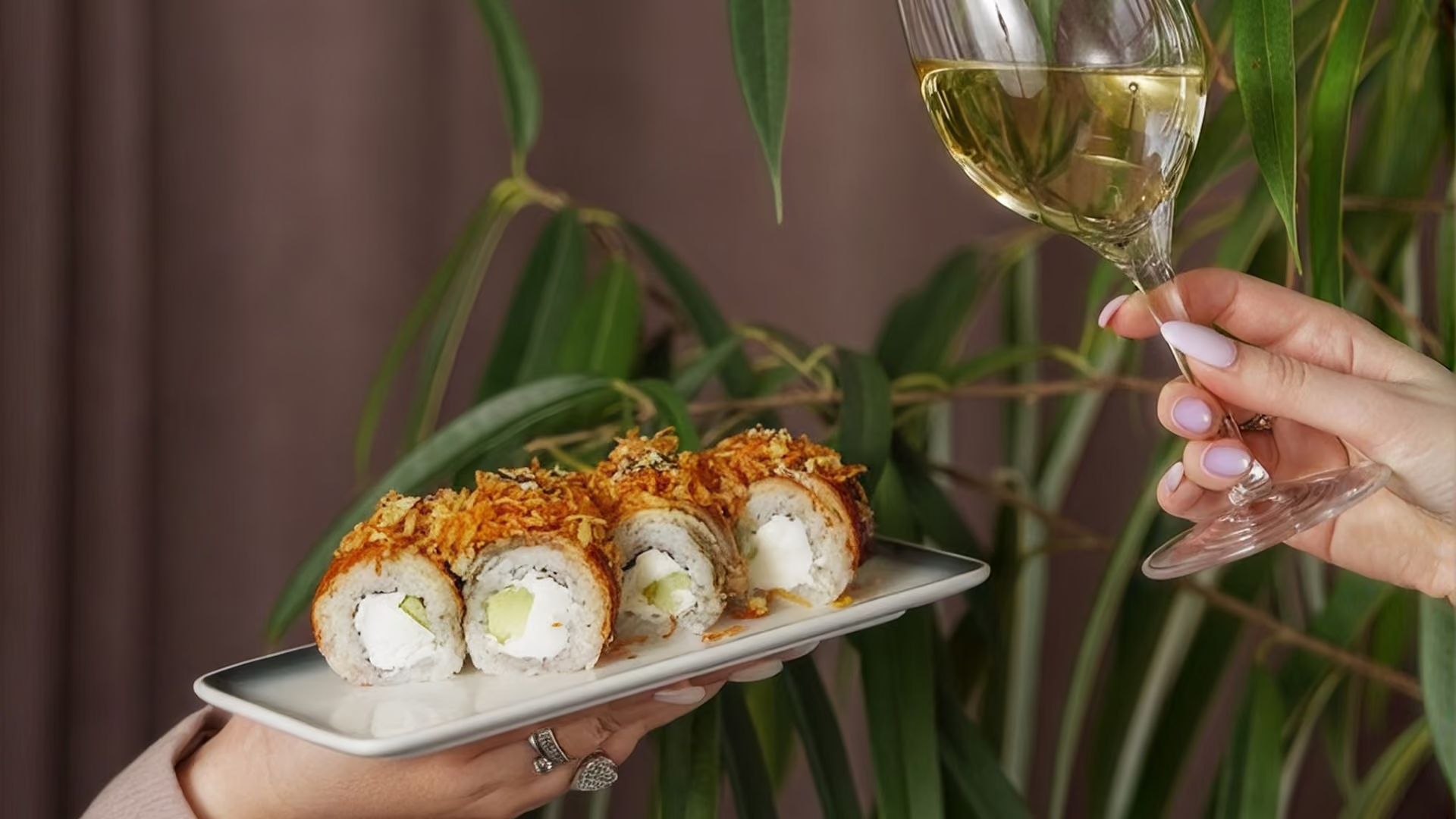
Food for Corporate parties has to do more than look good on a conference-room table. It needs to be easy to serve, flexible enough for different preferences, and substantial enough that people are not searching for another lunch an hour later.
Combining Sushi and Hibachi can solve that problem because the two styles cover different needs. Sushi brings shareable variety, while hibachi proteins, rice, noodles, and vegetables give the meal a warm, filling center. Masu Sushi & Hibachi in Carrollton offers both through its catering menu.
Start by deciding whether this is lunch, dinner, or light food
A noon team lunch usually needs enough food to replace a normal meal. An afternoon celebration may only need smaller bites, while an evening Special Event may need appetizers, mains, sides, and dessert.
This distinction matters more than the number of guests. Ten people at a full lunch can eat more than ten people stopping by a two-hour open-house style event.
Use sushi for variety and easy sharing
Sushi trays are useful on an office buffet because guests can take one or two pieces, come back later, and mix different flavors on the same plate. They also make the table visually interesting without requiring individual packaging for every person.
Masu currently lists classic roll trays, spicy selections, vegetable combinations, and larger fish-focused party trays. Choose at least one approachable option before adding the more adventurous choices.
Use hibachi items to make the meal feel complete
Hibachi catering can add the warm main-course element that a sushi-only office lunch may be missing. Masu currently lists protein trays such as New York strip, chicken tenderloin, tiger shrimp, filet mignon, mixed protein combinations, and seafood combinations, along with fried rice, yakisoba, and vegetables.
You do not need every category. One or two proteins plus a rice or noodle side and vegetables can create a simple hot-food base, then sushi can add variety around it.
Include a vegetarian path from the beginning
Do not wait until the order is finished to ask what the vegetarian guest can eat. Build at least one clear path through the buffet. Masu's catering selection currently includes edamame, vegetable tempura, a vegetable-focused sushi tray, hibachi vegetables, and other side dishes.
If a guest has strict dietary requirements, confirm ingredients with the restaurant rather than assuming every vegetable dish fits every diet.
A simple ordering structure for a mixed office group
Instead of trying to predict exactly what each employee will choose, build the buffet in layers. Start with one appetizer, add one familiar sushi tray and one contrasting sushi tray, choose one or two hibachi proteins, then add a starch and vegetables. Dessert is optional depending on the occasion.
This structure works because it gives people a complete meal without creating ten different categories of leftovers. The exact quantities should follow the restaurant's current serving guidance and your expected appetite level.
Use serving guidance carefully
Masu currently lists many sushi roll trays as serving four, fish-focused party trays as serving six, the Oceanside Party Tray as serving ten, and most hibachi trays as serving six. Those numbers are a baseline, not a guarantee of how much a specific group will eat.
If you are serving several categories together, each tray stretches further than it would as the only food. If the office lunch has a limited menu and people are hungry, plan a buffer rather than ordering to the exact mathematical serving count.
Label the buffet when the group is large
A small label can save the organizer from answering the same question twenty times. Identify vegetarian dishes, spicy trays, raw seafood selections, and the main proteins. For allergy-sensitive guests, a label is not a substitute for ingredient confirmation, but it helps everyone understand the layout.
Keep serving utensils with the intended tray and replace them if they are moved between dishes. That is a simple way to keep the buffet more organized.
Plan for the office, not just the food
Before pickup, confirm where the food will go, whether you have enough plates and serving space, and who is responsible for setup. Hot food should not sit around while someone searches for a table. Sushi should also be handled and served according to the restaurant's pickup instructions.
Masu currently directs catering orders through the contact methods listed on the catering page, so use the latest details there rather than relying on an old email thread.
Office catering checklist
- Define whether the food is a full meal or light refreshments.
- Confirm headcount and important dietary needs.
- Choose one familiar sushi option and one contrasting option.
- Add hibachi protein and sides for a warm main-course component.
- Include a clear vegetarian path.
- Use published serving sizes as a baseline and add a buffer when appropriate.
- Prepare labels, serving space, plates, and utensils before pickup arrives.
- Order through the restaurant's current catering contact process.
Plan the buffet around hot and cold food timing
A mixed Sushi and Hibachi order has one practical challenge: the food is not all served at the same temperature. Decide where the cold sushi trays and hot hibachi items will be placed before pickup arrives, and avoid leaving either category sitting out while the team finishes a meeting.
Follow the restaurant's pickup and handling instructions, and schedule the food to arrive as close as practical to the time people will actually eat.
Do not forget drinks and the end of the meal
Office catering plans often stop at the main dishes. Check whether you also need beverages, cups, ice, dessert, or coffee from another source. Masu's catering menu currently includes drink and dessert options, which may simplify the order depending on the event.
For larger Corporate parties, assigning one person to check the full setup list can prevent a great food order from being undermined by missing basics such as serving utensils or cups.
Build an office meal people can actually navigate
The best catering for Corporate parties is not the menu with the most items. It is the one where guests can walk up, understand the choices, build a satisfying plate, and get back to the event.
For a Carrollton office lunch or Special Event, review Masu's current catering menu. If the team would rather dine at the restaurant, make a reservation.